

“Can’t underscore what a massive jolt this is to the logistics, trucking and ag sectors,” said Gas Buddy head of petroleum analysis Patrick De Haan in a March 9 post to X.
On top of that, crude oil is far more than simply an energy input, as it’s used in the manufacturing of tires, plastics, pharmaceuticals and a number of other synthetic materials. Any long term oil shortages could lead to broad price increases for a variety of sectors, says Theo Smid, senior economist with trade credit insurance provider Atradius. Oil also isn’t the only product that moves through the Strait of Hormuz, Smid points out. Some 44% of sulfur exports and 18% of ammonia come out of the Persian Gulf, both of which are key components used in semiconductor production.
A third of the world’s fertilizer supply passes through the strait, too. That’s had the agricultural industry raising alarms about the availability of fertilizer to grow crops, right as planting season begins for many farmers in the U.S., the American Farm Bureau Federation said in a March 4 release.
“History teaches us that energy market shocks quickly reach the farm gate, and countries in and around the Persian Gulf account for a large share of fertilizer supplies our farmers rely on — it’s a serious issue,” warned AFBF president Zippy Duvall.
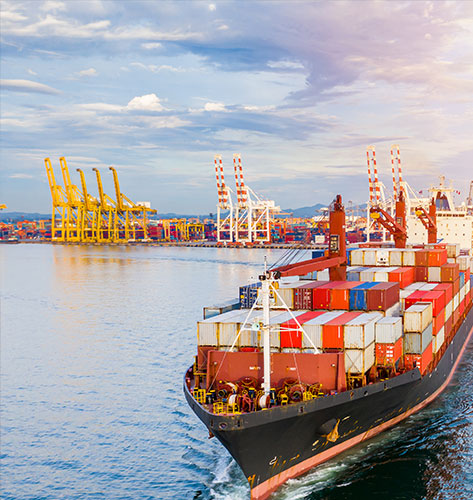
Straining shipping costs even further has been an increase in attacks against commercial ships by Iran, making maritime risk insurance prohibitively expensive for carriers, even as the Trump administration has tried to offset those costs with a $20 billion reinsurance program. As a result, many insurers have either withdrawn coverage entirely, or demanded dramatically higher rates before agreeing to insure ships transiting the region. Those policies are also often required before a vessel can even enter a conflict zone, which has left hundreds of tankers sitting outside the Persian Gulf as they await insurance clearance or naval guidance. And for those that do pay up for policies, those additional premiums can add hundreds of thousands of dollars to the cost of a single voyage, sticking carriers with a bill that’s ultimately passed down the supply chain to cargo owners and consumers alike.
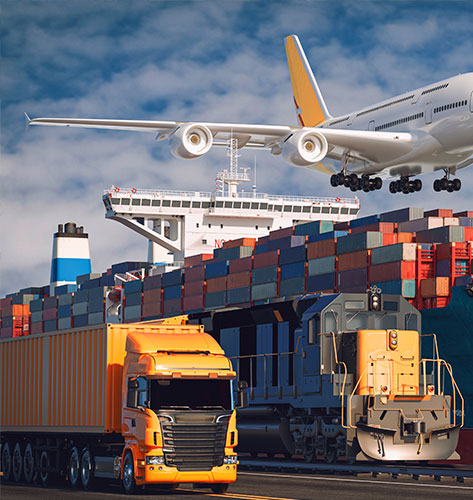
The impacts aren’t limited to industries reliant on maritime trade either. The Middle East acts a major air freight hub, with the conflict having forced flight cancellations, rerouted services and extended flight paths. Logistics software provider CargoWise found that, as of March 5, four in every nine logistics organizations have reported air freight disruptions stemming from the region, while Freightos estimates that air cargo rates have jumped by 50% between the start of the war and March 11.
Creating even more uncertainty is the fact that it’s still unclear just how long the conflict may last. While President Donald Trump has repeatedly said that he expects the war to end quickly, there’s been no indication from Iran that it’s prepared to back down, while the United States’ main ally Israel has stated that it believes there’s “no time limit” for the operation.
“Research analysts may have been a bit too optimistic at the start of this conflict,” says Smid. “You can see that Iran is not close to surrendering, and that means this can drag on for a while, and that we’re looking at perhaps several months of disruption.”
Even if the war were to end tomorrow, Pelli adds, disruptions wouldn’t disappear overnight, given that shipping networks, insurance markets and carrier schedules would still take time to level out after dealing with weeks of rerouted vessels and suspended services. Additionally, ships that have been rerouted around the Cape of Good Hope wouldn’t simply be able to turn around and return to the Strait of Hormuz should it reopen, representing delays that have already been baked into global shipping timelines.
For logistics providers and cargo owners, the challenge now is not just navigating the immediate disruptions, but preparing for the possibility of a prolonged period of disruption in one of the world’s most vital trade lanes. Longer term, Pelli says, “people are coming around to the idea that this is the new normal.”
“These types of disruptions are becoming more frequent for all different sorts of reasons,” he posits. “What companies are beginning to realize is that they need to tackle supply chain issues as an enterprise-wide problem.”